Proudly serving Scottsdale, Mesa, Tempe, Phoenix, Chandler, Gilbert & surrounding areasCall or Text 24/7: 602-905-5399
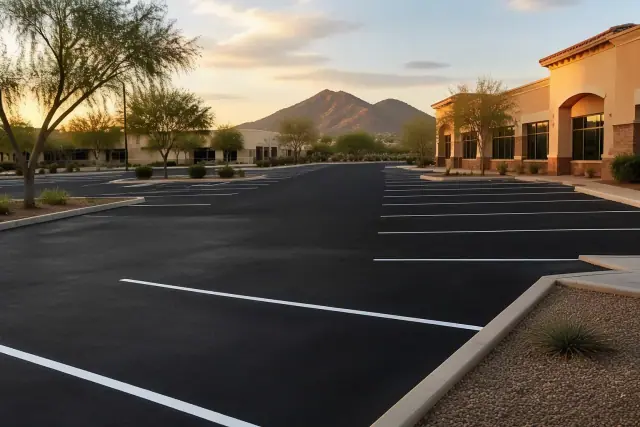
Aerial view of a paved asphalt parking lot at an office complex in Scottsdale, AZ with desert mountains in the distance.

Asphalt Paving in Glendale, AZ: Driveway Installation and Lot Repair

Scottsdale Asphalt provides asphalt paving services in Glendale, AZ for residential driveways, commercial parking lots, private roads, and paved property access areas. Our work covers new asphalt paving, driveway installation and replacement, parking lot paving, asphalt repair, resurfacing overlays, sealcoating, crack sealing, pothole repair, striping, and milling/removal. Every project starts with the base, drainage, traffic use, and heat exposure that determine how long the finished surface will last. Whether you own a home near Historic Downtown Glendale or manage a property near Westgate or Arrowhead Towne Center, we build and maintain pavement for desert conditions.

Glendale pavement sees summer surface temperatures that regularly exceed 150°F, so thin shortcuts can oxidize, soften, crack, or rut within only a few seasons. Monsoon rain then pushes water into open cracks and low spots, where base saturation can turn a small repair into a larger replacement. Our crews focus on grading, compacted aggregate base, proper hot mix placement, tack coat where needed, and clean edge work so repairs and new surfaces hold under local traffic. Call us for a practical assessment that explains whether repair, overlay, sealcoating, or full replacement is the right scope.

Glendale is a Maricopa County city of 248,325 residents, and its asphalt needs range from established residential driveways to commercial corridors near State Farm Stadium, Westgate, and Arrowhead Towne Center. Scottsdale Asphalt serves property owners across north Glendale, Historic Downtown Glendale, Arrowhead Ranch, Sahuaro District, Barrel District, Catlin Court, and nearby west Valley communities.

★ ★ ★ ★ ★5/5 Customer Rating - 26 Years in the Asphalt Trade - Thousands of Paving Jobs Completed - Licensed, Bonded & Insured - Homes, Businesses & Commercial Sites
Asphalt Services

Asphalt Service Categories in Glendale, AZ

Pavement management in Glendale is not a one-time pour; it is a full lifecycle of installation, resurfacing, maintenance, repair, and eventual replacement. The service categories below cover residential driveway work, commercial parking lots, hot mix repairs, protective sealcoating, line striping, and asphalt removal when the base has reached end of life. We serve the full city and nearby west Valley communities, including Peoria , with recommendations based on pavement condition rather than a one-size-fits-all scope.

Commercial Commercial Asphalt Paving

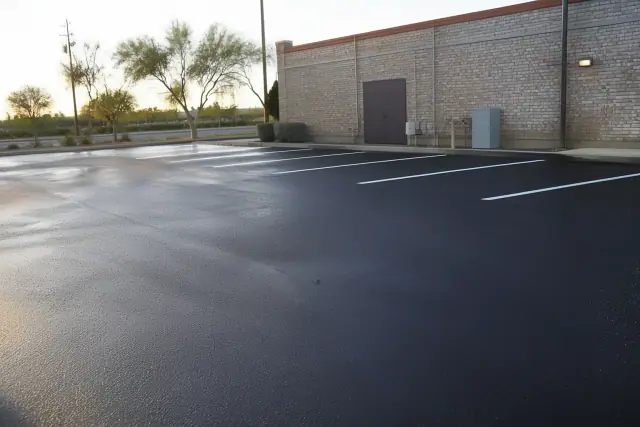
Freshly paved asphalt parking lot with white lines behind a restaurant in Glendale, AZ.

New asphalt paving begins with grading, sub-base compaction, and aggregate base installation before hot mix is placed. In Glendale, mix design matters because desert heat can soften weak binder and create rutting, bleeding, or early cracking. Asphalt material is typically priced between $0.75 and $2.00 per square foot depending on thickness, aggregate size, and project volume, so we match the scope to the traffic load and site conditions.

Explore Service

Driveway Installation & Replacement

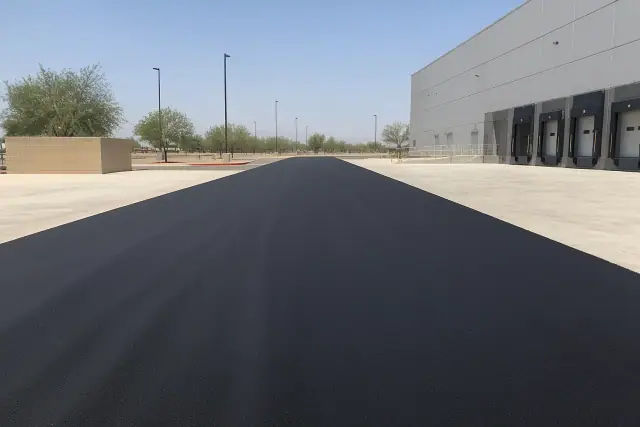
Freshly paved asphalt loading drive at a warehouse in Glendale, AZ with visible roller tracks.

Driveway installation and replacement require more than a smooth top layer. We build residential asphalt driveways with proper grade, a compacted aggregate base, and at least 2 inches of compacted hot mix for standard residential use, with thicker sections where trucks or RVs will park. Edges are formed or tapered to reduce cracking from lateral pressure and desert heat movement.

Explore Service

Parking Lot Paving

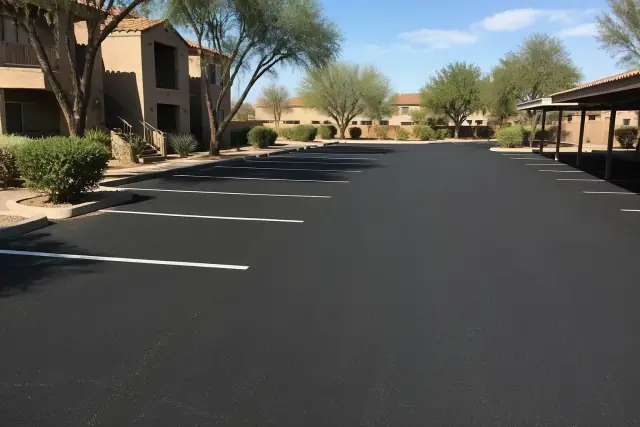
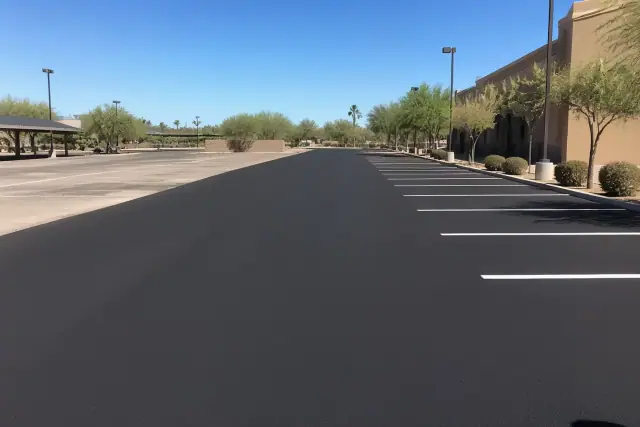
Freshly paved asphalt parking lot with white stall lines at an apartment complex in Glendale, AZ.

Commercial parking lot paving must account for turning loads, delivery traffic, ADA layout, and drainage after monsoon storms. We design lots with appropriate cross-slopes, typically 1 to 2 percent, so water moves away from the pavement instead of sitting in low spots. The finished surface is planned for sealcoating, re-striping, and practical maintenance over its service life.

Explore Service

Asphalt Repair

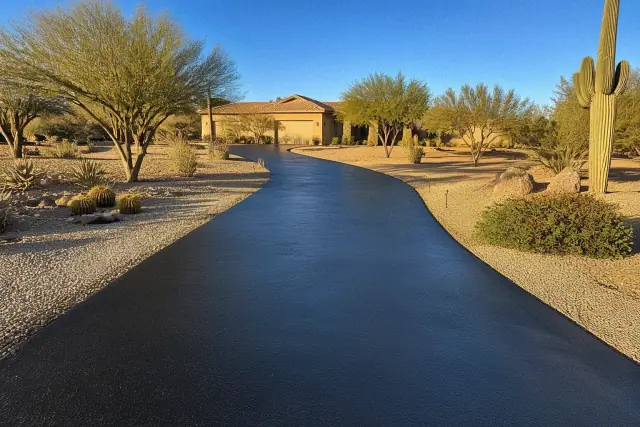
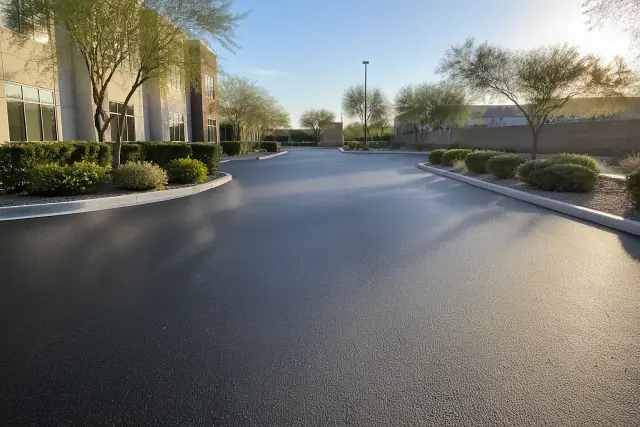
A freshly paved asphalt driveway at a desert property in Glendale, AZ.

Asphalt repair is the right answer when failures are localized and the rest of the pavement can still be preserved. We identify whether cracking, rutting, or surface breakup is only in the top lift or whether the base has started to move. When repair is sufficient, we cut clean edges, recompact stable material, apply tack coat where needed, and compact hot mix so the repair ties into the surrounding grade.

Asphalt Resurfacing & Overlay

Freshly paved asphalt driveway at an office complex in Glendale, AZ with smooth transitions to the concrete curb.

Asphalt resurfacing, also called mill and overlay, works when the base is structurally sound but the surface has oxidized, cracked, or become rough. Milling usually removes the top 1.5 to 2 inches before a fresh hot mix overlay is bonded to the prepared surface. With proper base verification and adequate thickness, resurfacing can extend pavement life by 10 to 15 years at less cost than full replacement.

Asphalt Sealcoating

Freshly applied black asphalt sealcoating on a retail parking lot in Glendale, AZ.

Sealcoating adds a protective coal tar or asphalt emulsion coating over pavement that is still structurally sound. In Glendale, direct sun exposure accelerates oxidation, causing asphalt to gray, ravel, and become brittle if it is left unsealed. Most properties benefit from a 2-to-3-year sealcoating cycle, applied after cleaning, crack repair, edge preparation, and correct pavement-temperature checks.

Crack Sealing

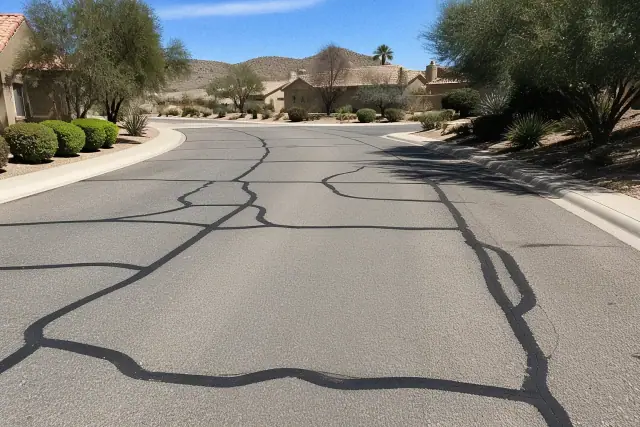
Freshly sealed asphalt cracks on a neighborhood road in Glendale, AZ with desert landscaping in the background.

Crack sealing helps keep water out of the base before monsoon rain can make small cracks worse. We rout cracks to a uniform width when appropriate, then apply hot-pour rubberized crack sealant that flexes with daily thermal cycling. Timely crack sealing can prevent the kind of base saturation that turns a $500 repair into a $5,000 section replacement when moisture reaches the sub-base.

Pothole Repair

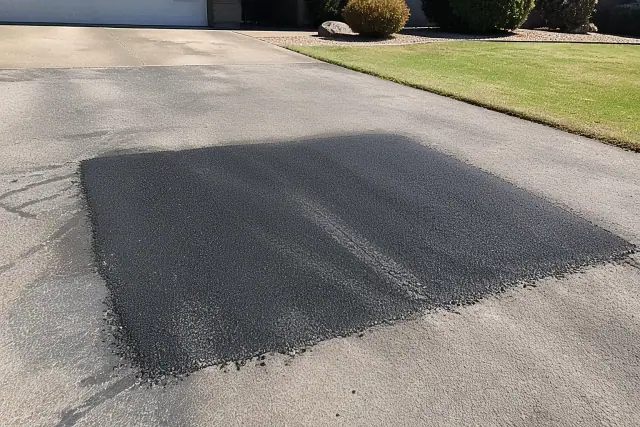
Newly patched asphalt driveway repair on a sunny day in Glendale, AZ.

Pothole repair should remove the failed material, not just cover the hole. We saw-cut or mill the damaged area to clean edges, excavate to stable base, recompact the section, and place hot mix asphalt in compacted lifts to match surrounding grade. This approach holds up better under traffic than cold-pour filler patches that are meant for temporary use.

Parking Lot Striping

Freshly paved and striped asphalt parking lot in Glendale, AZ at golden hour.

Parking lot striping keeps traffic movement, ADA access, fire lanes, directional arrows, and stall layouts clear for drivers and pedestrians. We apply traffic-grade paint to clean, dry pavement and account for stall dimensions, access aisle widths, signage placement, and usable parking count. Fresh striping is especially important after resurfacing, sealcoating, or layout changes.

Asphalt Milling & Removal

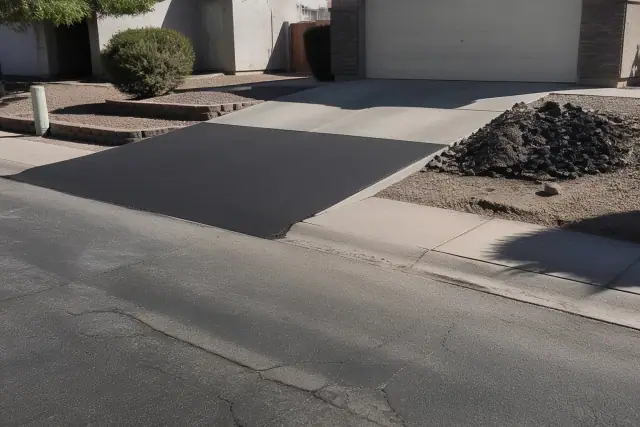
Newly paved asphalt driveway apron meeting the street curb in a sunny Glendale, AZ neighborhood.

Asphalt milling and removal are used when surface rehabilitation or full-depth replacement is the correct scope. Milling removes deteriorated surface asphalt so an overlay can bond properly, while removal and replacement addresses widespread alligatoring, rutting, or pavement that flexes under vehicle load. After failed asphalt is hauled off-site, we re-grade and compact the base before installing new hot mix to the specified depth.

Service Selection

How to Choose the Right Asphalt Service in Glendale

The best asphalt option depends on what is failing: the surface, the base, the drainage, or the layout. A stable pavement with oxidation may only need crack sealing and sealcoating, while a sound base with surface wear can often be resurfaced. Full removal is reserved for sections with base failure, movement, or widespread structural damage that surface treatments cannot correct.

Existing Base Condition

A pavement section that feels solid under load may be a candidate for repair, sealcoating, or overlay. Soft spots, flexing, and widespread alligator cracking indicate that the base has lost support and needs deeper work. We check the structure before recommending resurfacing because an overlay will reflect underlying base failure if that problem is ignored.

Traffic Load and Use

A residential driveway, retail parking lot, industrial pad, and delivery lane do not need the same asphalt section. Repeated turning movements, trucks, trailers, and RV parking require stronger base preparation and thicker asphalt than standard passenger-vehicle use. Matching the pavement to the traffic class helps prevent rutting and edge breakdown.

Drainage and Grade

Drainage is one of the biggest design decisions for Glendale asphalt. We look for low spots, ponding, blocked flow paths, and inadequate slope before paving because standing water can soften the base. A minimum 1 percent cross-slope is used to move water off the surface when site conditions allow.

Heat and UV Exposure

Glendale heat makes material choice and installation timing more important than in cooler climates. Asphalt surfaces that regularly exceed 150°F need binder and compaction practices that resist rutting while staying flexible enough for winter temperature swings. We consider sun exposure, shade, traffic, and surface color when recommending maintenance timing.

Maintenance Timing

The right service also depends on timing. Crack sealing and sealcoating are most useful before water reaches the base, while resurfacing is best before shallow cracking becomes full-depth failure. Waiting too long can change the economical answer from maintenance to removal and replacement.

Permit and Property Requirements

Some Glendale projects need more planning than a basic driveway refresh. Commercial parking lots, new paving, work that changes drainage, and driveway connections near city right-of-way may require plan review or permit guidance. We help property owners understand the scope before work starts so access, drainage, and compliance details are addressed early.

Glendale Pavement Issues

Common Asphalt Problems for Glendale Properties

Glendale asphalt fails in recognizable patterns because heat, UV exposure, monsoon rain, and traffic loads work together over time. Surface graying, cracks, raveling, potholes, and ponding are not just cosmetic problems; they often show where water, oxidation, or base movement has started. Catching those symptoms early keeps a repair manageable and helps avoid full-depth replacement where it is not yet necessary.

Request Pavement Assessment

Oxidized Gray Surface

A gray, brittle surface usually means sunlight has oxidized the asphalt binder. As the binder dries, aggregate begins to loosen, the surface ravels, and small cracks spread faster. Sealcoating can help protect pavement that is still structurally sound, but it should follow cleaning and crack repair so the coating bonds properly.

Alligator Cracking

Alligator cracking is a network of connected cracks that often signals movement below the surface. Once water reaches the base, traffic loads can make the pavement flex and fracture in a pattern that surface sealer cannot fix. The right repair may require removing the failed section, stabilizing the base, and placing new hot mix.

Rutting and Soft Spots

Ruts and soft spots show that heat, traffic, or weak base material is allowing the pavement to deform. In commercial lots, repeated turning loads can make these depressions worse near entrances, drive aisles, and loading areas. We identify whether the failure is limited to the surface or whether the base must be rebuilt.

Standing Water After Storms

Monsoon events between July and September can expose drainage problems quickly. Water that stands on asphalt after a storm accelerates oxidation, enters cracks, and softens the base through repeated wet-dry cycles. Regrading, patching, milling, or drainage corrections may be needed before a new overlay is installed.

Edge Cracking and Raveling

Edges fail when asphalt is unsupported, too thin, poorly compacted, or exposed to turning pressure at the pavement boundary. Driveways and small lots are especially vulnerable where vehicles pull off the edge or where water runs alongside the pavement. Proper edge forming, tapered transitions, and base compaction help the perimeter hold its shape.

Faded or Noncompliant Striping

Faded striping makes a parking lot harder to navigate and can create ADA, fire lane, and access aisle problems. Re-striping is often needed after sealcoating, resurfacing, or layout changes because stall dimensions and directional markings must be visible. Clean, dry pavement and traffic-grade paint help new markings last longer.

Why Choose Us

Why Choose Scottsdale Asphalt in Glendale?

Scottsdale Asphalt brings local pavement knowledge, practical recommendations, and professional installation standards to Glendale residential and commercial projects. We evaluate the base, drainage, material choice, and traffic use before recommending repair, resurfacing, or replacement. The goal is to provide a durable scope that fits the pavement condition, not to sell unnecessary work.

Local Climate Knowledge

Arizona heat, caliche, expansive clay soils, and monsoon drainage patterns all influence how asphalt performs. Our recommendations account for subgrade movement, base depth, binder stiffness, and water flow instead of treating Glendale pavement like a generic installation. That local context helps prevent early cracking, soft spots, and moisture-related damage.

Quality Materials and Base Work

We source hot mix asphalt from established Arizona plants producing mixes suited to desert conditions. Aggregate gradation, binder content, air void percentage, compaction temperature, and tack coat all affect how well a pavement section performs. Our work aligns with National Asphalt Pavement Association standards for mix design, compaction, and quality control. Careful base preparation is the difference between a surface that lasts and one that fails early.

Clear Recommendations and Scheduling

We explain what the pavement needs and why, whether that means crack sealing, sealcoating, resurfacing, or full-depth replacement. Written estimates define the scope before work begins so property owners understand the cost drivers and project sequence. For occupied commercial properties, we plan phases to reduce access disruption and keep the site organized.

Simple Process

Our Asphalt Paving Process in Glendale

A clean asphalt project depends on preparation, communication, and temperature control. From the first site visit through final walkthrough, we document the scope, prepare the base, install hot mix at the right time, and explain how to protect the new surface. The process below reflects how we approach Glendale driveways, parking lots, repairs, overlays, and replacement work.

01.

Site Assessment and Measurement

We inspect the pavement or project area, measure the work zone, identify drainage concerns, check access constraints, and look for utility or base issues. This step determines whether the surface can be repaired, resurfaced, or needs removal.

02.

Written Scope and Estimate

You receive a written estimate that explains what work is included, how the area will be prepared, and which asphalt service is recommended. Clear scope details help prevent surprises once crews, equipment, and material arrive.

03.

Subgrade and Base Preparation

Failed material, organic debris, soft spots, and unstable fill are removed before paving. Residential projects commonly use a compacted aggregate base of 3 to 4 inches, while commercial and industrial work may require 4 to 6 inches or more depending on traffic loading.

04.

Hot Mix Asphalt Placement

Hot mix asphalt is placed, spread, and compacted while it is still within the proper working temperature range. Crews compact the lift before the mix cools below about 175°F so density, bond, and surface smoothness are not compromised.

05.

Edge Finishing and Cleanup

Edges, transitions, joints, and tie-ins are finished so the new surface meets the surrounding grade cleanly. Debris is removed, access areas are cleaned, and the work zone is left ready for the final inspection.

06.

Final Inspection and Cure Guidance

We walk the completed surface, review any care instructions, and explain how long to keep traffic off the new asphalt. In Glendale summer conditions, freshly paved asphalt should stay closed to vehicles for at least 24 hours, and 48 to 72 hours is ideal when the site can allow it.

Result Examples

Asphalt Outcomes for Glendale Homes & Businesses

Case Study 1: A residential driveway with a stable subgrade can be rebuilt with proper aggregate base, compacted hot mix, shaped edges, and drainage that sheds water away from the surface. The result is a driveway planned for heat, occasional heavy loads, and monsoon sheet flow instead of a thin surface that cracks at the edges.

Case Study 2: A commercial parking lot can be paved or resurfaced with cross-slope, access phasing, ADA striping, and future maintenance in mind. That approach helps businesses near busy Glendale corridors maintain customer access while reducing ponding, rutting, and confusing traffic flow.

Case Study 3: An aging pavement section with a sound base may not need full replacement. Crack sealing, milling, overlay, sealcoating, and re-striping can restore appearance and function while preserving the existing structure when inspection confirms the base is still stable.

Get Better Pavement

Schedule a Glendale
Asphalt
Estimate

Tell Scottsdale Asphalt what you are seeing on your driveway, parking lot, private road, or paved access area. We will review the condition, explain the practical repair or replacement options, and provide a clear estimate for asphalt work in Glendale.

Glendale Asphalt Help

FAQs About Asphalt Paving in Glendale, AZ

Have questions about paving, resurfacing, repair, sealcoating, crack sealing, pothole work, or parking lot striping in Glendale? These answers cover common project decisions, cost factors, maintenance timing, and local pavement conditions.

Call Our Asphalt Experts

Ask whether the contractor is licensed and insured in Arizona, and request the license number so it can be checked with the Arizona Registrar of Contractors. You should also ask what mix design, base thickness, drainage approach, and workmanship warranty terms apply, if any. A useful estimate should explain base preparation, not just give a square-foot price.

Properly installed asphalt on a well-prepared base has an average life expectancy of approximately 25 years with appropriate maintenance. Low-traffic residential applications can reach 20 to 30 years, while moderate-traffic commercial surfaces often run 15 to 20 years before major rehabilitation. In Arizona, sealcoating and crack sealing help slow UV oxidation and water intrusion.

Asphalt paving cost depends on square footage, base condition, thickness, site access, drainage needs, and traffic requirements. The draft cost guidance for Glendale lists asphalt material at about $0.75 to $2.00 per square foot and standard residential project segments around $351 to $422, with total project cost varying by scope. A written estimate is the best way to price the actual site.

Resurfacing is usually the better choice when the base is structurally sound but the surface has oxidized, roughened, or developed shallow cracking. Milling the top 1.5 to 2 inches and installing a fresh overlay can restore rideability and appearance. Full replacement is needed when the pavement flexes, has widespread alligatoring, or shows base failure.

Permit requirements depend on the project type and scope. New commercial paving or parking lot work may require plan review, grading review, or a paving permit through the City of Glendale Community Development Department, while many residential driveway replacements are simpler. Work that connects to a city street or changes drainage flow should be reviewed before construction begins.

Fresh asphalt should stay closed to vehicle traffic for at least 24 hours in Glendale summer conditions, and 48 to 72 hours is better when possible. Hot mix is often installed around 280°F to 320°F and needs time to cool and stiffen. During the first few weeks, avoid sharp turns, kickstands, jacks, and other point loads that can scuff or indent the surface.

Hot surface patching repairs localized failures such as potholes, alligatored sections, or isolated full-depth deterioration. The failed area is cut to clean edges, unstable material is removed, the base is recompacted, tack coat is applied where needed, and hot mix is compacted in lifts. It is a stronger repair than a temporary cold-pour patch.

Most Glendale properties benefit from sealcoating every 2 to 3 years when the pavement is structurally sound. The exact timing depends on sun exposure, traffic, previous maintenance, and how quickly the surface is oxidizing. Sealcoating should be done after cleaning and crack repair so the coating bonds properly.

Base thickness depends on soil conditions, pavement use, and traffic loading. The source guidance typically calls for 3 to 4 inches of compacted aggregate base for residential applications and 4 to 6 inches or more for commercial and industrial paving. Soft spots, unstable fill, and heavy vehicle use can require additional base work.

Yes, crack sealing is designed to keep water from entering the pavement base before cracks turn into potholes or larger failures. Cracks may be routed to a uniform width and sealed with hot-pour rubberized material that moves with thermal cycling. The sooner cracks are sealed, the lower the chance of base saturation during monsoon rain.

Replacement is more likely when pavement has widespread alligator cracking, significant rutting, soft areas, or sections that flex under vehicle load. Those symptoms often indicate base failure rather than surface wear. In that case, removing the failed asphalt and rebuilding the base is usually more effective than applying another surface treatment.

Yes. Scottsdale Asphalt works with residential and commercial property owners on driveways, parking lots, private roads, paved access areas, repairs, resurfacing, sealcoating, striping, and removal. The recommended asphalt section changes based on site use, vehicle load, access needs, and drainage.

Scottsdale Asphalt serves the full city of Glendale, including north Glendale, Historic Downtown Glendale, the Westgate Entertainment District, Arrowhead Ranch, Sahuaro District, Barrel District, and Catlin Court. The company also serves surrounding west Valley and Maricopa County communities described in published guidance.

Poor drainage is one of the fastest ways to shorten asphalt life because standing water softens the base and pushes moisture into cracks. Glendale monsoon storms can reveal low spots and drainage problems quickly. Proper grading, cross-slope, and repair sequencing help water leave the surface instead of sitting on it.

Milling removes the deteriorated surface layer so a new overlay can bond to the prepared asphalt below. Full asphalt removal takes out the pavement section when the base has failed or the existing asphalt can no longer support traffic. Milling is a resurfacing step; removal is part of full-depth replacement.